Understanding AI Image Editors: The Basics
With the rapid evolution of technology, the way we edit and manipulate images has undergone a significant transformation. AI image editors have emerged as powerful tools that leverage artificial intelligence to enhance digital photography and creative artwork. These innovative platforms not only streamline the editing process but also expand the horizons of creativity for artists and photo enthusiasts alike. When exploring options, ai image editor tools can provide comprehensive insights into the editing capabilities that utilize cutting-edge algorithms.
What is an AI Image Editor?
An AI image editor is a software application that employs artificial intelligence technologies to assist users in editing images. Unlike traditional image editing tools that rely heavily on manual input and skill, AI editors use advanced algorithms to automate various aspects of the editing process, making it more accessible for users of all experience levels. These editors can perform tasks such as background removal, object detection, style transfer, and color correction with remarkable accuracy.
Key Features of Modern AI Image Editors
- Automated Image Enhancement: AI image editors can automatically enhance images by adjusting aspects like brightness, contrast, and saturation based on learned preferences.
- Background Removal: Many AI editors feature tools that easily remove backgrounds from images, saving time and effort.
- Smart Filters: Advanced filters powered by AI can analyze the image content and apply effects that suit the composition.
- Content-Aware Editing: This feature allows users to modify images intelligently by filling in gaps with context-aware information.
- Style Transfer: AI algorithms can mimic the styles of famous artists, allowing users to transform photos into unique artistic pieces.
Common Applications in Digital Art
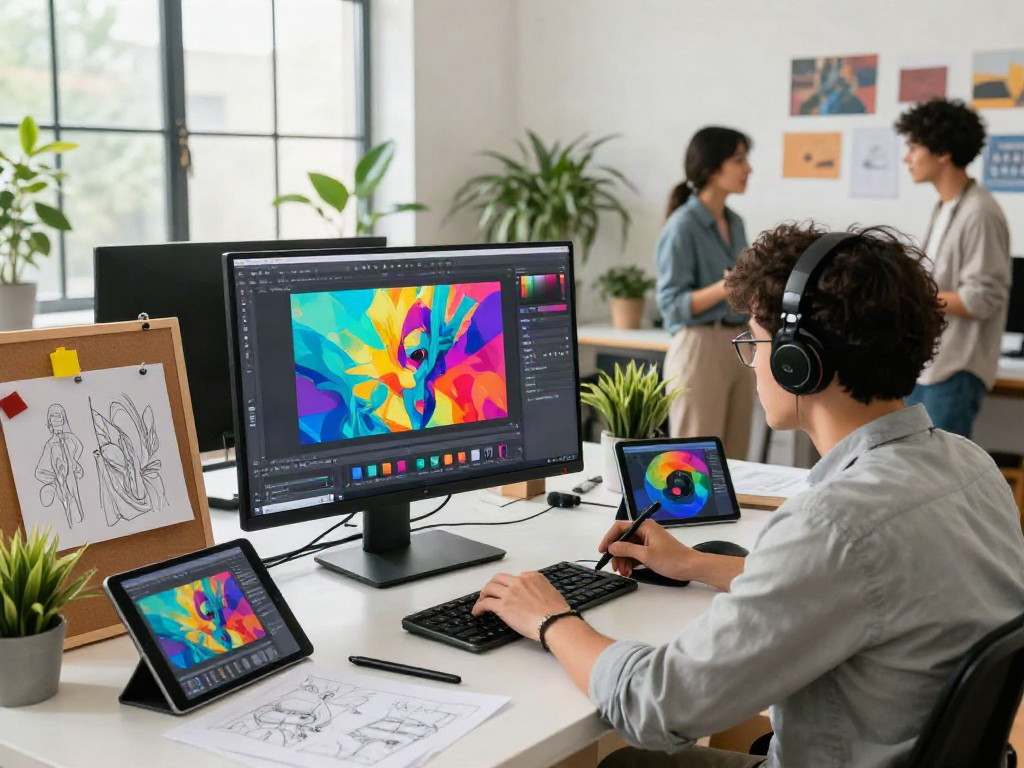
AI image editors have found a wide range of applications across various domains in digital art. Artists use these tools to experiment with styles and techniques that would be cumbersome or impossible to achieve manually. For instance, photographers can quickly retouch images, removing blemishes or unwanted objects while enhancing the overall composition. Graphic designers leverage AI tools for creating marketing materials or vibrant social media posts with seamless edits. Additionally, illustrators utilize AI technology for generating conceptual art or even refining their hand-drawn sketches into polished digital artwork.
Choosing the Right AI Image Editor for Your Needs
Factors to Consider: Functionality and Ease of Use
When selecting an AI image editor, it's essential to weigh both functionality and ease of use. Consider what features are most relevant to your projects—whether you need advanced retouching capabilities, batch processing functions, or specific effects. Additionally, the user interface should be intuitive, allowing you to navigate the software effortlessly even if you're a beginner. An editor that balances a rich feature set with ease of access will often yield the best results.
Comparing Popular AI Image Editors: Pros and Cons
Several AI image editors are available in today's market, each with unique strengths and weaknesses. For instance, tools like Adobe Photoshop with AI enhancements offer extensive functionality but may come with a steeper learning curve. Other editors, like Canva, provide a more user-friendly experience, although their capabilities may be somewhat limited compared to more comprehensive software. Assessing the pros and cons of each tool will help you find one aligned with your creative needs.
Budgeting: Free vs. Premium Options
AI image editors come in various pricing models, ranging from free versions with basic features to premium subscriptions that unlock advanced capabilities. While free options are excellent for casual users or hobbyists, professional creators may find that investing in a premium tool can significantly enhance productivity and output quality. Analyze your editing requirements and budget to determine which option offers the best value for your work.
Mastering Techniques with AI Image Editors
Basic Editing Skills Every User Should Know
Mastering an AI image editor begins with understanding its basic functionalities. Familiarize yourself with common editing techniques like cropping, resizing, and applying filters. Learning to use the automated features effectively can enhance your workflow and allow you to focus more on creativity rather than technicalities. Basic skills, combined with a willingness to experiment, can elevate your image editing results significantly.
Advanced Features: Utilizing AI for Enhanced Creativity
Once you are comfortable with basic editing, exploring advanced features can take your work to the next level. For instance, utilizing AI for smart object recognition can streamline the editing process. Experimenting with style transfer effects can lead to innovative artistic results, while advanced color grading tools can help you achieve professional-grade aesthetics. Embracing these features will not only enhance your creativity but also push the boundaries of traditional artwork.
Real-World Examples: Transforming Images with AI
To illustrate the transformative power of AI image editors, consider the example of a landscape photographer who uses AI tools to enhance the vibrancy of their photos. By applying AI-driven enhancements, they can restore faded colors, add depth to shadows, and even replace dull skies with dramatic clouds, resulting in profoundly dynamic images. Similarly, graphic designers can create intricate compositions by seamlessly blending images and styles using AI technology, demonstrating how these tools are changing the art landscape.
Troubleshooting Common Challenges in AI Image Editing
Addressing Technical Issues: Software Glitches and Errors
As with any software, using AI image editors can sometimes lead to technical challenges, such as glitches or unexpected errors. When encountering such issues, it's often helpful to consult the software's support resources or community forums for solutions. Regularly updating the software can also help mitigate potential bugs, ensuring that you have access to the latest features and improvements.
Overcoming Creative Blocks When Using AI Tools
Creative blocks can occur even with the most advanced tools at your disposal. To overcome these hurdles, consider taking breaks, seeking inspiration from other artists, or experimenting with random edits to stimulate creativity. The versatility of AI image editors allows for playful experimentation without the fear of making permanent changes, which can help reignite your creative spark.
Best Practices for Efficient Workflows
Developing an efficient workflow is crucial when working with AI image editors. Organize your workspace, categorize your projects, and set small, achievable goals during the editing process. Utilizing keyboard shortcuts can also speed up your workflow significantly. Additionally, saving templates for frequently used edits can save time and ensure consistency across your projects.
Future Trends in AI Image Editing: What to Expect by 2026
The Evolution of AI in Creative Industries
As we look towards 2026, the role of AI in creative industries is set to evolve dramatically. With ongoing advancements in machine learning and neural networks, we can expect AI image editors to become even more intuitive, capable of anticipating user needs and preferences. This development will likely streamline the creative process further, allowing artists to focus on innovation rather than technical execution.
Emerging Technologies: What’s Next for AI Image Editors?
The future of AI image editing will also harness emerging technologies such as augmented reality (AR) and virtual reality (VR). These technologies could revolutionize how users interact with their images, providing immersive editing experiences that allow for a more hands-on approach. Furthermore, the integration of AI with other creative tools could lead to unprecedented collaborations across art forms.
Preparing for Change: Staying Ahead of Trends in Digital Art
To remain relevant in the rapidly changing landscape of digital art, artists and designers must stay informed about emerging trends and technologies. Engaging in continuous learning through online courses, workshops, and forums can keep your skills sharp and expose you to new ideas. Moreover, experimenting with evolving tools can help you adapt to future changes, ensuring that your artistic capabilities remain ahead of the curve.
What are the best AI image editing tools available in 2026?
By 2026, we can anticipate the release of several advanced AI image editing tools that blend usability with cutting-edge features. Editors that successfully combine automation with artistic control will likely dominate the market. Tools like Adobe Photoshop are expected to continue leading with their robust feature sets, while newer entrants may offer innovative, niche functionalities geared towards specific creative goals.
How can AI image editors improve my design workflow?
AI image editors streamline the design workflow by automating repetitive tasks, enabling quicker edits, and providing intelligent suggestions based on content analysis. This efficiency allows designers to allocate more time to conceptualizing and refining their projects, ultimately enhancing productivity and creativity.
What skills do I need to effectively use an AI image editor?
To effectively utilize an AI image editor, users should possess basic understanding of image editing principles as well as proficiency in navigating the software interface. Familiarity with tools for retouching, layering, and applying filters will enhance your editing capabilities. Additionally, a creative mindset and a willingness to explore will aid in maximizing the potential of AI technology.
What common mistakes should I avoid with AI image editing?
Common mistakes when using AI image editing tools include over-editing, which can lead to unnatural images, and neglecting to save original files before making edits. It's also crucial to avoid relying solely on AI features without understanding the underlying principles of composition and design, as this can hinder your creative development.
How will advancements in AI affect digital art in the future?
Advancements in AI are poised to fundamentally shift the landscape of digital art. Artists will likely see an expanded range of creative possibilities, allowing for more experimentation and collaboration. The role of the artist may evolve, with a greater emphasis on ideation and conceptualization rather than traditional technical skills, reshaping how art is created and perceived in a digital world.